
Melatonin for chronic pain relief guide

Medical disclaimer: This article is for informational purposes only and does not replace consultation with a qualified physician. Melatonin is a dietary supplement, not an approved medication for treating chronic pain, and the final decision should be made in coordination with a healthcare provider.
Many chronic pain sufferers are looking for safer options beyond continually relying on traditional painkillers. This brings up a question that keeps coming up: does melatonin help relieve chronic pain? According to the latest scientific studies, the answer looks promising, though not conclusive.
A recent analysis covering data from 23 previous randomized trials, conducted across multiple countries and involving more than two thousand patients, found that melatonin may reduce muscle and bone pain at rates approaching the effectiveness of some common painkillers. Since melatonin is already known as a dietary supplement used to improve sleep, these findings open a new door for people dealing with both chronic pain and sleep problems at the same time.
In this guide, we’ll explain in detail what the study shows, how melatonin works, who might benefit from it, how to choose the right supplement, and how it compares to traditional options available on the market.
Overview of Melatonin as a Dietary Supplement

Melatonin is a natural hormone the body produces to help regulate the sleep-wake cycle. It’s also sold as a dietary supplement in multiple forms, including tablets, capsules, sublingual tablets, and liquid drops.
Millions of people around the world use it primarily to treat insomnia and sleep disorders caused by jet lag or shift work. But recent research, including the study led by researcher Kangchao Wu at the University of Sydney, points to another potential role: relieving chronic muscle and bone pain.
Who benefits from it? The groups that seem most suited appear to be patients dealing with:
- Chronic lower back pain
- Arthritis
- Fibromyalgia
Patients recovering from painful surgeries, on the other hand, didn’t show a clear benefit from melatonin in the study — an important point to keep in mind before making any decision to use it.
The main reason people are drawn to trying melatonin for this purpose is that it’s a natural option, available without a prescription in most markets, and has a well-established safety record compared to strong painkillers.
Quick Verdict
In short, melatonin represents a potential supporting option, not a complete replacement for traditional chronic pain treatments.
Key positives:
- Relatively higher safety profile compared to non-steroidal anti-inflammatory drugs
- Dual benefit for people dealing with both sleep disorders and pain
- Easy to find in multiple forms and at reasonable prices
Main drawbacks:
- No scientifically established “optimal” dose yet
- Benefit unclear for post-surgical pain cases
- Still needs more long-term studies
Best use case: as a supporting treatment within a comprehensive chronic pain management plan for arthritis, back pain, or fibromyalgia, especially for those who also struggle with sleep disorders.
Overall recommendation: worth trying after consulting a doctor, but without exaggerated expectations and without stopping any originally prescribed treatment.
Common Melatonin Supplement Specifications Table
| Element | Details |
|---|---|
| Common form | Tablets, capsules, sublingual tablets, liquid |
| Common market concentration | Often ranges between 1 and 10 mg per tablet |
| Common added ingredients | Vitamin B6, calming herbs like chamomile or valerian sometimes |
| Dose duration of effect | Usually between 4 and 8 hours |
| Units per package | Ranges between 60 and 300 tablets depending on brand |
| Prescription required | Not required in most countries, but doctor consultation is advised |
| Price range | Varies by concentration, brand, and quantity |
| Shelf life | Usually between one and three years from production |
It’s always recommended to check the nutrition label and confirm the actual melatonin percentage, since previous testing has shown discrepancies between what’s stated on packaging and what’s actually inside the product.
Key Features Revealed by the Study

Tangible Pain Relief in Specific Cases
The analysis showed that melatonin reduced pain by an average of nearly nine points on a scale of zero to 100. In the more methodologically rigorous trials, this figure approached 10 points — a level often comparable to what well-known painkillers like ibuprofen, aspirin, and acetaminophen achieve.
This means the benefit, while moderate rather than dramatic, is real and scientifically measurable. For someone dealing with chronic arthritis, this difference could represent a noticeable improvement in daily quality of life, especially when combined with the rest of a treatment plan.
Double Benefit for Sleep Disorder Patients
One of the most practical features is that melatonin addresses two issues at once: difficulty sleeping and chronic pain. Many chronic pain patients already suffer from sleep disorders linked to the pain itself, making this dual benefit a decisive factor in choosing this option.
Relatively Better Safety Profile
Researcher Kangchao Wu noted that melatonin is “a safer additional option” within a pain management plan, compared to long-term use of certain painkillers that can cause side effects on the digestive system or kidneys with prolonged use.
Real-World Use Cases

An Arthritis Patient Struggling with Poor Sleep
A middle-aged person with knee arthritis who has trouble sleeping due to nighttime pain. Here, melatonin could help improve sleep quality, which in turn indirectly reduces the sensation of pain the following day, in addition to its potential direct effect on pain itself.
A Woman with Fibromyalgia
Fibromyalgia is one of the conditions that combines widespread chronic pain with deep sleep disturbance. For this group, the study showed relatively encouraging results, making melatonin an option worth discussing with a treating physician.
Someone Recovering from Surgery
This is a case requiring caution. The study didn’t show a clear benefit from melatonin in reducing pain after surgery, so it’s not recommended as a substitute or even an effective supplement at this particular stage.
Older Adults Taking Multiple Medications
In this case, the potential for drug interactions makes consulting a doctor or pharmacist a mandatory step before adding melatonin to any existing treatment routine.
Performance and Effectiveness Review
Ease of Use
Melatonin is notably easy to use, typically taken shortly before bedtime, without requiring complicated procedures or accompanying devices.
Actual Effectiveness
Effectiveness appears real in specific cases like back pain, arthritis, and fibromyalgia, but it’s not guaranteed for all types of pain, especially acute post-surgical pain.
Long-Term Safety
While melatonin is considered relatively safe in the short and medium term, data on long-term use for chronic pain relief remains limited, which calls for regular medical follow-up.
Appropriate Dosage
Researchers found no clear dose-response relationship, meaning there’s currently no established “optimal” dose. For this reason, determining the right dosage remains an individual decision left to the treating physician based on overall health status.
Daily User Experience
For many users, the biggest benefit lies first in feeling improved sleep quality, followed by a gradual reduction in pain intensity with regular use — not an immediate or dramatic effect.
Pros and Cons
| Pros | Cons |
|---|---|
| Effectiveness approaching some common painkillers in specific cases | No scientifically established optimal dose yet |
| Relatively good safety profile compared to traditional painkillers | Doesn’t appear effective for post-surgical pain relief |
| Dual benefit for both sleep and pain | Needs more long-term studies |
| Available without prescription in most markets | May interact with other medications |
| Reasonable prices and multiple form options | Results may vary from person to person |
Comparing Melatonin to Other Pain Relief Options
| Criteria | Melatonin | NSAIDs | Acetaminophen |
|---|---|---|---|
| Average pain reduction in studies | About 9-10 points out of 100 | Variable, compared against melatonin | Variable, compared against melatonin |
| Additional sleep benefit | Yes, directly | No | No |
| Long-term use risks | Relatively lower per current studies | Potential digestive, intestinal, and kidney risks | Potential liver risks at high doses |
| Prescription needed | Usually no | No at low doses | No |
| Effectiveness after surgery | Unconfirmed | Relatively confirmed | Relatively confirmed |
This comparison shows that melatonin isn’t meant to replace these painkillers, but can serve as a complementary element within an integrated treatment plan, especially for chronic pain not resulting from surgery.
Summary of User Opinions and Experiences
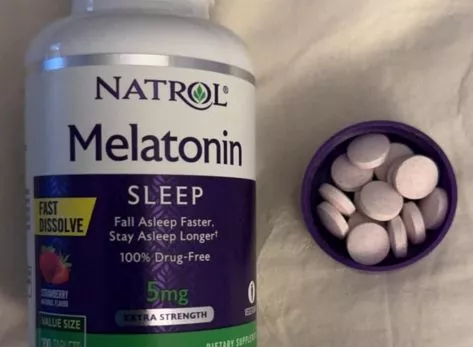
Overall, common experiences among melatonin supplement users point to a recurring pattern of observations.
Positive experiences generally center on noticeably improved sleep quality during the first weeks of use, along with a gradual sense of reduced chronic pain intensity among some users dealing with arthritis or back pain.
Common complaints, meanwhile, often relate to some people not noticing a clear difference in pain, and occasionally feeling excessive drowsiness the following morning when taking relatively higher doses.
In terms of reliability, users tend to prefer brands that provide independent testing certificates confirming the accuracy of the concentration stated on the packaging, given the noticeable quality variation in this supplement category.
As for value for money, many consider melatonin an economical option compared to the cost of other long-term treatments.
*As an Amazon Associate, we earn from qualifying purchases at no extra cost to you.
Who Is This Option Suitable For?
Melatonin is particularly suitable for:
- People dealing with chronic lower back pain alongside sleep disorders
- Arthritis patients looking for a safer additional option
- Those affected by fibromyalgia
On the other hand, it’s best to avoid or use with caution in these cases:
- Those recently recovering from painful surgeries
- People taking medications that may interact with melatonin
- Pregnant and breastfeeding women, without prior medical consultation
From a budget standpoint, melatonin is considered an accessible option for most groups, but it’s always recommended to choose trustworthy, independently tested products rather than focusing solely on the lowest price.
Best Melatonin Supplements 2026: Top 3 Picks Compared and Reviewed
Choosing the best melatonin supplement can feel overwhelming. Walk down any pharmacy aisle, or scroll through Amazon, and you’ll find dozens of options promising the same thing: better sleep. But not all melatonin products are created equal, and picking the wrong one can mean wasted money or, worse, a groggy morning after.
In this guide, we break down three of the most popular melatonin supplements on Amazon right now. We’ll look at what makes each one different, who each product is best suited for, and how they stack up against each other in terms of dosage, ingredients, and overall value. Whether you’re dealing with occasional sleeplessness or looking for a more complete nighttime formula, this guide will help you find the best melatonin supplement for your specific needs.
Product Overview
Melatonin supplements are dietary aids designed to support the body’s natural sleep-wake cycle. They’re typically used by people who struggle to fall asleep, frequent travelers dealing with jet lag, shift workers with irregular schedules, and anyone whose sleep has been thrown off by stress or screen time.
These products come in different formats, gummies, tablets, and capsules, and in a wide range of doses, from as low as 1mg up to 10mg or more. Some are simple single-ingredient formulas, while others combine melatonin with calming botanicals like chamomile, lavender, or L-theanine for a broader relaxation effect.
People buy melatonin supplements because they’re widely available without a prescription, generally well tolerated, and non-habit forming when used as directed. The main selling points across the category are convenience, affordability, and a well-established safety profile compared to prescription sleep medications.
Quick Verdict
Short summary: all three products we reviewed are reputable, widely purchased melatonin gummies, but they serve slightly different purposes depending on dose strength and added ingredients.
Main pros across the category:
- Widely available and reasonably priced
- Easy-to-take gummy format
- Non-habit forming and drug-free
- Suitable for occasional or nightly use
Main drawbacks across the category:
- Dosage strength varies significantly between brands
- Added sugars in gummy formulas
- Not intended for long-term daily use without medical guidance
Best use case: nightly or occasional support for people dealing with mild sleep disruption, jet lag, or an irregular sleep schedule.
Overall recommendation: choose your dose and formula based on your personal sleep needs, and always start with the lowest effective amount.
Melatonin Supplement Specifications Comparison
| Element | Natrol Melatonin 10mg Gummies | Amazon Basics Melatonin 5mg Gummies | Lemme Sleep Gummies (Melatonin + Botanicals) |
|---|---|---|---|
| Brand | Natrol | Amazon Basics (formerly Solimo) | Lemme |
| Melatonin dose | 10 mg per 2-gummy serving | 5 mg per 2-gummy serving | 5 mg per 2-gummy serving |
| Format | Pectin-based gummy | Gummy | Pectin-based gummy |
| Flavor | Strawberry | Strawberry with other natural flavors | Berry |
| Added ingredients | None, melatonin only | None, melatonin only | Magnesium, L-theanine, chamomile, lavender, elderberry |
| Dietary attributes | Vegetarian, gelatin-free, non-GMO | Vegan, gluten-free | Vegetarian, gluten-free, gelatin-free, non-GMO |
| Habit-forming | No | No | No |
| Suggested use | 2 gummies, 30 minutes before bed | 2 gummies, 30 minutes before bed | 2 gummies, 30 minutes before bed |
| Price range | Budget to mid-range | Budget | Mid-range to premium |
| Best for | Straightforward, higher-strength melatonin support | Value-focused everyday users | People wanting a broader calming formula |
Always check the supplement facts panel on the actual product you receive, since formulations and counts can vary by pack size.
Key Features
Straightforward, High-Strength Melatonin
Natrol’s formula delivers a full 10 mg per serving, which sits at the higher end of what’s typically recommended for occasional sleeplessness. This makes it a solid pick for people who find lower doses aren’t enough to help them fall asleep.
The benefit here is simplicity. There are no added herbs or extra ingredients competing for effect, just melatonin in a pectin-based, dye-free gummy. Ideal users are those who already know melatonin works for them and want a reliable, no-frills option they can count on.
Budget-Friendly Everyday Support
Amazon Basics Melatonin gummies keep things simple with a moderate 5 mg dose and a lower price point per serving. This is a practical entry point for people who are new to melatonin or want to try it without committing to a premium brand.
Real-world performance tends to mirror other standard melatonin gummies at this dose, useful for occasional sleeplessness rather than treating a diagnosed sleep disorder. It’s a good fit for budget-conscious shoppers and households that go through supplements quickly.
A Broader Calming Formula
Lemme Sleep stands apart by combining a moderate 5 mg melatonin dose with magnesium, L-theanine, and a botanical blend of chamomile, lavender, and elderberry. The idea is to address relaxation from multiple angles rather than relying on melatonin alone.
This formula tends to appeal to people who feel that melatonin by itself isn’t quite enough, especially those whose sleeplessness is tied to a busy or anxious mind rather than just a disrupted body clock.
Real-World Use Cases
The Frequent Traveler
Someone dealing with jet lag after crossing several time zones often benefits from a higher-dose option like Natrol’s 10 mg gummies, since a stronger signal to the body clock can help reset sleep timing faster after long flights.
The Budget-Conscious Household
A family stocking a medicine cabinet for occasional use, rather than nightly reliance, often does well with Amazon Basics Melatonin. It covers the basics without a big price tag, which matters when a bottle needs replacing every month or two.
The Stressed-Out Overthinker
Someone whose sleeplessness stems from a racing mind after a stressful day may find more value in Lemme Sleep, since the combination of L-theanine and calming botanicals targets mental relaxation alongside the melatonin’s effect on the sleep cycle.
The Sensitive Sleeper
People who feel groggy or “hungover” after standard melatonin sometimes do better starting with a lower 5 mg option rather than jumping straight to 10 mg, making Amazon Basics or Lemme Sleep more suitable starting points than Natrol’s stronger formula.
The Occasional Shift Worker
Rotating schedules disrupt the body’s natural rhythm significantly. A flexible, easy-to-take gummy format, like any of these three, fits well into inconsistent bedtime routines, though those needing consistent extended support night after night may lean toward the higher-dose Natrol option.
Performance Review
Ease of Use
All three products use a chewable gummy format, which most people find easier and more pleasant than swallowing tablets or capsules. Each is taken 30 minutes before bedtime, and none require water or special preparation.
Taste and Texture
Reviewers consistently describe all three brands as pleasant-tasting, with Natrol and Amazon Basics leaning toward a classic strawberry flavor, while Lemme’s berry flavor tends to read as slightly more dessert-like thanks to its added botanical blend.
Effectiveness
Effectiveness varies by individual, as is common with melatonin. Higher-dose Natrol tends to produce a stronger, faster onset for people who need more support, while the 5 mg options from Amazon Basics and Lemme are gentler and may suit people prone to next-day grogginess.
Next-Day Grogginess
This is where dose matters most. Some users of 10 mg products report feeling groggy the next morning, while 5 mg formulas are less likely to cause this effect, though results differ from person to person.
Ingredient Quality
Natrol and Amazon Basics keep formulas simple, which appeals to people who prefer minimal ingredient lists. Lemme’s more complex formula appeals to those wanting a multi-pronged approach, though it also means more ingredients to check for personal sensitivities or interactions.
Melatonin Supplements Pros and Cons
| Product | Pros | Cons |
|---|---|---|
| Natrol Melatonin 10mg Gummies | Higher dose for stronger effect, trusted long-standing brand, dye-free and gelatin-free formula | Stronger dose may cause grogginess in sensitive users, melatonin only with no calming extras |
| Amazon Basics Melatonin 5mg Gummies | Affordable price point, vegan and gluten-free, moderate dose suitable for daily use | Basic formula with no added calming ingredients, fewer gummies per bottle in smaller packs |
| Lemme Sleep Gummies | Multi-ingredient calming blend, moderate melatonin dose reduces grogginess risk, appealing flavor and clean ingredient sourcing | Higher price point than basic melatonin options, more ingredients means more to check for sensitivities |
Our Recommended Melatonin Picks
If you’re short on time and just want a straight answer, here’s how we’d steer different types of buyers based on everything above.
*Affiliate Disclosure: As an Amazon Associate, we earn from qualifying purchases at no extra cost to you.
Whichever you choose, start with the lowest dose that works for you, and stick to the suggested serving size on the label.
Comparison with Alternatives
Beyond these three picks, there are a few other common categories worth knowing about when shopping for melatonin.
| Category | Example | Best For |
|---|---|---|
| Time-release melatonin | Natrol Time Release Gummies | People who wake up frequently during the night |
| Ultra-low dose melatonin | Products around 1-3 mg | First-time users or those sensitive to melatonin |
| High-strength melatonin | Products around 10-20 mg | People with more significant sleep disruption, under medical guidance |
| Multi-ingredient sleep blends | Lemme Sleep, similar botanical formulas | People wanting relaxation support beyond melatonin alone |
Customer Reviews Summary
Across all three products, a few consistent patterns show up in customer feedback.
Positive experiences often mention faster sleep onset, pleasant taste, and appreciation for non-habit-forming, drug-free formulas. Many buyers highlight that they don’t feel drowsy or foggy the next morning when they stick to the recommended dose.
Common complaints tend to center on individual variation, some users report the product simply doesn’t work well for them, or that they still wake up during the night. A smaller number of reviewers mention grogginess the next day, particularly with higher-dose formulas or when taking more than the suggested serving.
On reliability, buyers generally trust established brands like Natrol and Amazon’s own house brand for consistent quality between purchases. Lemme, as a newer and more premium brand, tends to draw praise for taste and ingredient sourcing, alongside occasional comments about the higher price relative to basic melatonin options.
In terms of value for money, Amazon Basics consistently comes up as the most budget-friendly choice, while Lemme is viewed as a worthwhile splurge for those who want the added calming ingredients.
Who Should Buy Each Product?
Natrol Melatonin 10mg Gummies suit people who need stronger support falling asleep, frequent travelers managing jet lag, and anyone who has already tried lower doses without success. Avoid this option if you’re new to melatonin or know you’re sensitive to higher doses.
Amazon Basics Melatonin 5mg Gummies suit budget-conscious buyers, first-time melatonin users, and households wanting a reliable everyday option. This is a solid starting point before trying higher-dose or specialty formulas.
Lemme Sleep Gummies suit people whose sleep troubles are tied to stress or an overactive mind, and those willing to pay a bit more for a multi-ingredient approach. This may not be the best fit if you prefer a simple, single-ingredient supplement or want to avoid a longer ingredient list.
Frequently Asked Questions
Can melatonin completely replace pain medications?
No. Researchers confirmed that the findings don’t mean melatonin can replace traditional pain medications, but it can be used as an additional option within a comprehensive treatment plan.
What’s the appropriate melatonin dose for chronic pain relief?
The study didn’t establish an optimal dose due to the lack of a clear dose-response relationship, so a doctor should be consulted to determine the appropriate dose for each case.
Does melatonin help relieve pain after surgery?
The study didn’t show a clear benefit for melatonin in patients recovering from painful surgeries, unlike cases of back pain, arthritis, and fibromyalgia.
Is melatonin safe for long-term use?
It’s considered relatively safe in the short and medium term according to current studies, but data on long-term use for pain relief remains limited, requiring regular medical follow-up.
Does melatonin help people who don’t have sleep problems?
The benefit may be clearer for those with sleep issues related to pain, but this doesn’t rule out studying its potential benefit for pain independently — always after consulting a doctor.
What is the best melatonin dose for beginners?
Most experts suggest starting with a lower dose, around 1 to 5 mg, and increasing only if needed. Both Amazon Basics and Lemme Sleep offer 5 mg options that work well as a starting point.
Final Verdict
The study led by Kangchao Wu at the University of Sydney suggests that melatonin may indeed be a useful and relatively safe addition to chronic pain management plans, especially for cases of back pain, arthritis, and fibromyalgia. However, it’s not a miracle solution or a substitute for scientifically proven treatments, and its effectiveness appears unclear for post-surgical pain cases.
The best-case scenario for using it is as a supporting treatment, after consulting a doctor, especially for those dealing with sleep disorders related to chronic pain. Those looking for a radical, immediate solution for acute pain may not find melatonin alone to be a sufficient answer.
Don’t miss out on major savings. Check out our full breakdown of Amazon Prime Day 2026: Best Supplement Deals You Don’t Want to Miss and stock up on your favorite sleep, wellness, and health supplements before the deals disappear.
Overall value is good given the relatively lower risks and reasonable price, but the final piece of advice remains the same: don’t decide to add any new dietary supplement without talking to your doctor first, especially if you’re taking other medications or have chronic health conditions.
Marketing disclosure: BioTarga may earn a commission from qualifying purchases made through affiliate links, at no additional cost to the reader. Prices are subject to change and may differ from what’s shown at the time of publication. Any product images used are the property of Amazon and are credited accordingly for informational purposes only.