Best Protein Pack for Building Muscle: Musclefit Muscle Advance Whey, Creatine & Omega-3 Bundle Reviewed
A BioTarga in-depth review
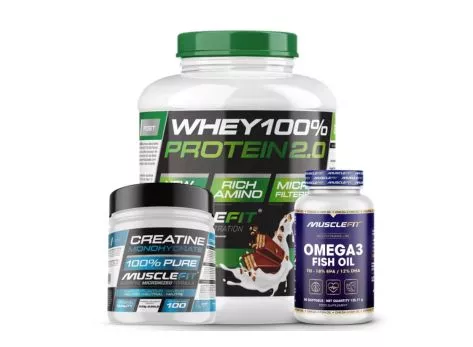
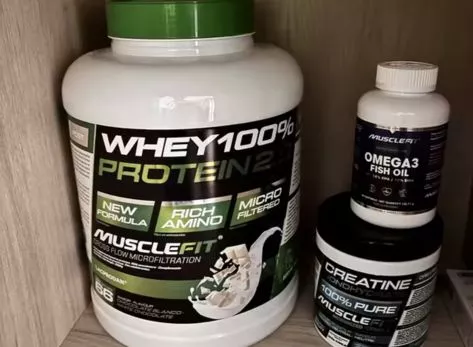
If you’ve spent any time searching for the best protein pack for building muscle, you already know the shortlist of supplements that actually have research behind them is short: whey protein, creatine monohydrate, and omega-3 fish oil. Everything else is mostly marketing. So when a single “muscle pack” bundles all three together — like the Musclefit Muscle Advance pack we’re reviewing today (2kg whey protein, 300g micronized creatine, and 90 omega-3 softgels) — it’s worth a close look, because on paper it covers the fundamentals in one purchase.
We went through the manufacturer’s product description, cross-checked every dosage and ingredient claim against current sports nutrition research, and compared this bundle against the kind of stacks that established, third-party-tested brands sell for a similar purpose. This article isn’t a “best 7” roundup in the traditional sense — the reader supplied one specific product, so instead we’re giving it the same rigor we’d give any item in a roundup: what’s genuinely useful here, what’s unverified, and who this pack actually makes sense for.
Our evaluation criteria for any muscle-building stack are consistent: ingredient quality and dosing accuracy, evidence behind each compound, manufacturer transparency (certifications, testing, country of origin), realistic value for money, and how the product holds up against well-established competitors. We’ll apply all of those here.
A quick note on transparency: this pack is sold on AliExpress under the brand name “Musclefit.” We could not find independent third-party lab testing, GMP certification, or a public track record of aggregated customer reviews for this specific listing — which is common for newer or smaller marketplace brands, but it’s information you deserve to know before buying. We’ll flag this clearly rather than glossing over it.
What’s Actually in the Pack Building Muscle
| Component | Best For | Key Ingredient | Servings | Verified Independent Testing | Price Range |
|---|---|---|---|---|---|
| Whey 100% Protein (2kg) | Daily protein intake, post-workout recovery | Whey protein concentrate/isolate blend | ~66 servings (30g scoop) | Not disclosed by seller | Budget–Mid |
| Micronized Creatine Monohydrate (300g) | Strength, power output, muscle recovery | Creatine monohydrate (micronized) | 40–100 servings, depending on body weight | Not disclosed by seller | Budget |
| Omega-3 TG 18/12 (90 caps) | Recovery, cardiovascular support, inflammation | EPA/DHA fish oil (triglyceride form) + Vitamin E | 30 days at 3 caps/day | Not disclosed by seller | Budget–Mid |
“Not disclosed” means we could not confirm this information from the manufacturer’s listing or public sources at the time of writing — not that testing definitely doesn’t exist. If you’re considering this pack, ask the seller directly for a Certificate of Analysis (COA) before purchasing.
Musclefit Muscle Advance Pack for Building Muscle
Why We Recommend this Building Muscle Pack
The strongest thing this pack has going for it is the concept, not necessarily the execution: it bundles the three supplements with the most consistent research support for muscle growth, strength, and recovery into a single purchase, which is genuinely convenient if you’re just starting to build a stack and don’t want to buy three separate products from three separate brands.
The whey protein is the workhorse of the bundle. At a standard 30g scoop, whey protein concentrate typically delivers around 20–24g of protein, a full essential amino acid profile, and reasonably fast absorption — all useful for hitting a daily protein target that supports muscle protein synthesis, especially post-workout or between meals when you’re short on whole-food protein. The listing recommends up to 60g/day in some cases, which is a lot for one product to contribute; we’d treat that as a ceiling, not a target, and build the rest of your daily protein from food.
The creatine is arguably the most defensible part of this pack for building muscle. Creatine monohydrate is one of the most studied ergogenic supplements that exists, with a strong track record for improving strength, power output, and high-intensity exercise performance, and it’s inexpensive to produce — so a 300g tub at a competitive price isn’t unusual. Micronization (which the listing claims) is meant to improve solubility, which can reduce the mild stomach discomfort some people get from standard creatine monohydrate. The dosing guidance in the listing (roughly 0.1g per kg of bodyweight daily) lines up with the commonly cited maintenance range of about 3–5g/day for most adults, without requiring an initial loading phase.
The omega-3 softgels round out the pack for recovery and general cardiovascular support rather than direct muscle-building. At 180mg EPA + 120mg DHA per capsule (540mg EPA + 360mg DHA at the recommended 3-capsule dose), this sits toward the lower-to-moderate end compared to some dedicated omega-3 products that concentrate 600mg+ EPA/DHA per single softgel — so you may need more capsules than some competitors to hit the same total omega-3 intake.
Who this is best for: someone on a tight budget who wants to consolidate a basic muscle-building stack into one order, is comfortable buying from a marketplace brand without an established review history, and is willing to do their own due diligence (checking third-party lab results if the seller can provide them, and reading the actual product listing carefully for batch-specific info). It’s a reasonable starting point for beginners who mainly need to close gaps in protein intake and add a well-established strength supplement, without wanting to research and buy three separate products.
Value for money: bundles like this are generally priced to undercut buying three separate mid-tier branded products, and that can make sense if the quality is comparable. Without independent testing data, though, we can’t confirm the value proposition holds up the same way it would for a brand like Sports Research, Optimum Nutrition, or Momentous, which publish certificates of analysis and use recognized third-party testing programs (e.g., NSF Certified for Sport, Informed Sport, or Informed Choice).
Pros, Cons & Final Thoughts
Pros:
- Covers three evidence-backed categories (protein, creatine, omega-3) in a single purchase
- Creatine dosing guidance is sensible and matches general sports nutrition recommendations
- Micronized creatine may be gentler on digestion than standard creatine monohydrate
- Convenient for beginners who don’t want to research and buy three products separately
- Likely priced lower than buying three established branded products individually
Cons:
- No publicly available third-party lab testing or certificate of analysis found at review time
- “Musclefit” does not appear to be an established brand with a track record of independent customer reviews
- Omega-3 potency per capsule is moderate compared to concentrated single-ingredient fish oil products
- Protein source (concentrate vs. isolate, sweeteners, flavoring) isn’t fully detailed in the listing
- International/marketplace shipping can mean longer delivery times and less predictable customer support if something goes wrong
- No information on allergen manufacturing practices beyond what’s listed (contains milk, contains fish)
Our take: this pack isn’t a bad idea in concept — it targets the right three supplements — but it asks you to take more on faith than a name-brand equivalent would. If you’re comfortable with that trade-off in exchange for a lower price, and you verify batch quality where you can (checking seller ratings, requesting a COA, starting with a smaller order before committing to a full stack), it’s a reasonable budget option for basic muscle-building support.
Buying advice: before ordering, message the seller directly and ask for third-party lab results for heavy metals and protein content verification — reputable sellers, even smaller ones, are usually willing to provide this. Start with the smallest available order size if one exists, rather than committing to the full 2kg/300g/90-capsule bundle right away.
Who should buy this nutrition pack: budget-conscious beginners who want a simple, all-in-one entry point into a basic muscle-building supplement routine, and who are willing to do their own verification homework.
Who may want an alternative: competitive athletes subject to drug testing (who need NSF Certified for Sport or Informed Sport products specifically), anyone with a milk or fish allergy, pregnant or nursing individuals (the listing itself notes the omega-3 isn’t recommended here), and anyone who prioritizes verified third-party testing over price.
*This article contains AliExpress affiliate links. If you purchase through these links, BioTarga may earn a small commission at no extra cost to you.
How We Evaluated This Building Muscle Pack
- Ingredient accuracy — cross-checking the listed doses (creatine, EPA/DHA, protein per scoop) against established sports nutrition guidelines.
- Evidence base — confirming that whey protein, creatine monohydrate, and omega-3 fatty acids each have a reasonable body of research behind their stated use cases.
- Transparency — checking for third-party testing, certifications, and manufacturer information; where we couldn’t verify something, we said so rather than assuming the best.
- Real-world context — since we could not locate a meaningful body of independent customer reviews specific to this exact AliExpress listing, we did not fabricate testimonials. Instead, we compared it against general, well-documented feedback patterns for marketplace supplement bundles and established competitor products, and we’re explicit above about where information is missing.
- Value — weighing the bundled price against what three separately certified, established-brand products would typically cost.
Related articles:
- Best High Protein Snacks for Weight Loss (2026 Guide)
- Melatonin for chronic pain relief guide
- Best Supplements for Summer: 10 Products That Actually Help You Feel Your Best in the Heat
Buying Guide: How to Choose a Muscle-Building Supplement Pack
When comparing any protein/creatine/omega-3 stack — this one or otherwise — look at:
- Protein type and amount per serving. Whey concentrate vs. isolate vs. hydrolysate affects protein purity, lactose content, and price. 20–25g of protein per scoop is typical for a quality product.
- Creatine form and dose. Creatine monohydrate is still the most researched and cost-effective form. Aim for roughly 3–5g/day for maintenance.
- Omega-3 concentration. Look at total EPA + DHA per serving, not just “fish oil mg” — a 1000mg fish oil capsule can vary widely in actual EPA/DHA content depending on concentration.
- Third-party testing. Certifications like NSF Certified for Sport, Informed Sport, or Informed Choice indicate a product has been screened for contaminants and banned substances — important if you compete in tested sports.
- Manufacturing transparency. Established brands typically disclose manufacturing location, GMP compliance, and offer a certificate of analysis on request.
- Allergen and dietary considerations. Milk (whey), fish (omega-3), and any added soy or gluten should be clearly labeled.
- Realistic pricing. Extremely low prices for bulk protein and fish oil can sometimes reflect lower-quality raw ingredients — it’s not a guarantee of a problem, but it’s worth extra scrutiny.
Common Ingredients Explained
- Whey protein concentrate/isolate: A milk-derived protein rich in essential amino acids and leucine, which plays a key role in triggering muscle protein synthesis after resistance training.
- Creatine monohydrate: A naturally occurring compound stored in muscle tissue as phosphocreatine, used to regenerate ATP during short bursts of high-intensity effort like lifting or sprinting.
- EPA and DHA (omega-3 fatty acids): Long-chain fatty acids found in fish oil, associated with cardiovascular support and modulation of exercise-induced inflammation.
- Vitamin E: Commonly added to fish oil products as an antioxidant to help protect the oil from oxidation and support the body’s own antioxidant defenses.
Safety Tips
- Introduce one new supplement at a time so you can identify how your body responds to each.
- Stay well hydrated, especially when taking creatine, which draws water into muscle cells.
- Store powders and capsules in a cool, dry place, and respect expiration dates.
- Don’t exceed labeled serving sizes in an attempt to speed up results — more is not automatically better for protein, creatine, or omega-3s.
- If you’re buying from a marketplace seller rather than an established brand’s official store, check seller ratings, order history, and (where possible) request a certificate of analysis before committing to a large order.
Possible Side Effects
- Whey protein: digestive discomfort, bloating, or gas — more common in those with lactose sensitivity; isolate is typically better tolerated than concentrate.
- Creatine monohydrate: mild water retention, and occasionally stomach upset if taken on an empty stomach or in large single doses; micronized creatine is often better tolerated.
- Omega-3 fish oil: fishy aftertaste or burps, and mild digestive upset in some people; can have a mild blood-thinning effect, which matters for anyone on blood-thinning medication.
Always consult a healthcare professional before starting any new supplement, especially if you are pregnant, nursing, taking medication, managing a medical condition, or have a known allergy to milk or fish. Supplements affect individuals differently, and what works well for one person may not suit another.
Frequently Asked Questions
Is this pack good for building muscle?
Whey protein and creatine both have solid research support for muscle strength and recovery when combined with resistance training and adequate overall protein intake. The omega-3 component supports general recovery and cardiovascular health rather than muscle growth directly.
How long does it take to see results from creatine and whey protein?
Most people notice strength and performance changes from creatine within 1–4 weeks of consistent daily use. Visible muscle growth from a combined protein and training routine typically takes 8–12 weeks or longer, and depends heavily on training program, overall diet, and consistency.
Can I take whey protein, creatine, and omega-3 together?
Yes — there’s no known interaction issue with taking all three together, and many established combination products do exactly this. Creatine is often mixed directly into a protein shake for convenience.
Is a cheaper, marketplace supplement brand automatically lower quality?
Not automatically, but price alone doesn’t confirm quality. The safest approach with any newer or smaller brand is to ask for third-party testing results and start with a smaller order before committing to bulk purchases.
Do I need to do a creatine loading phase?
No — a loading phase (typically 20g/day for 5–7 days) speeds up muscle saturation, but a steady daily dose of 3–5g will reach the same saturation point over about 3–4 weeks. The Musclefit listing notes loading is optional, which lines up with current guidance.
Final Verdict
For anyone searching for the best protein pack for building muscle on a budget, the Musclefit Muscle Advance bundle covers the right three bases — whey protein, creatine monohydrate, and omega-3 fish oil — at doses that are broadly in line with standard recommendations. What it doesn’t offer, at least based on publicly available information, is the kind of third-party verification and established track record you’d get from a well-known sports nutrition brand. That doesn’t mean it’s a bad product; it means it’s an unverified one, and the responsibility for due diligence shifts more onto the buyer. If you’re comfortable with that trade-off — or you follow up with the seller for testing documentation before ordering — this pack for Building Muscle is a reasonable, low-cost entry point into the fundamentals of a muscle-building supplement routine.
Expert Review
We carefully selected this recommendation for you.